
Child Pool Safety at Home: Barriers, Gates and Supervision
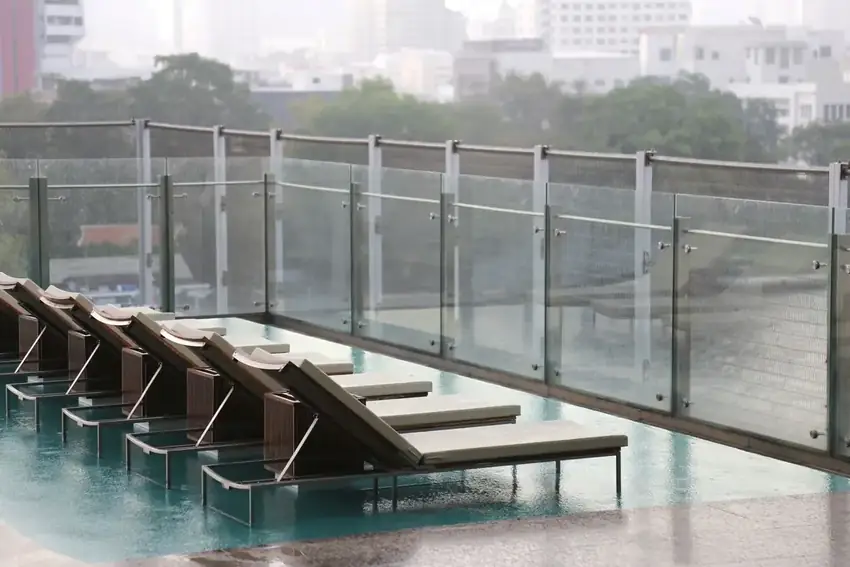
Child pool safety at home is strongest when several protections work together: a barrier that limits unsupervised access, a gate that is used and maintained correctly, active adult supervision and a household plan for pool time. Glass, mesh or another barrier is one layer; no fence can replace an attentive adult near water.
Parents should plan for ordinary moments, not only a planned swim. A child can move toward the pool while an adult answers a call or brings something from indoors. The fence line should separate the pool from the places children can reach, and the gate should be on a route adults will actually use.
Build a complete boundary
Walk the property and look for ways around, under or through the proposed fence. Check the ends, wall returns, steps and adjoining doors. Keep the gate area clear and make sure the route does not depend on someone remembering to move furniture or close an outer garden entrance. Ask the installer to show the full barrier line in a drawing.
Make gate use part of the routine
Choose a gate arrangement that works with how the family enters the pool area. Test its operation during handover, learn how it latches and inspect it after heavy use or a knock. If it fails to close or latch as intended, treat that as a repair issue and keep children away from the pool until it is addressed.
Supervise actively
When a child is in or near water, an adult should focus on supervision rather than assume a barrier or alarm will intervene. Agree who is watching, especially when several adults are present. Pool barriers reduce access opportunities, but they do not prevent every risk and are not a substitute for swimming skills, rescue readiness or close attention.
Use Dubai guidance for the property
Dubai Municipality provides technical guidance for private swimming pool safety (HSD GU80) and separate pool-plan approval guidance. Dubai Law No. 2 of 2026 addresses public safety and permanent pool plans, including private residential villas. Check the current text and ask the relevant authority or consultant what applies to your existing pool and any planned modification. This article is general information, not a compliance certification.
The US CPSC’s home-pool barrier guide is a helpful additional educational resource on layered protection, but its recommendations are based in the United States and must not be mistaken for Dubai requirements.
A household check-in list
- Can a child reach the pool without passing through the intended gate?
- Does the gate operate and latch reliably after normal use?
- Are toys, chairs or planters creating a climbable route near the barrier?
- Does every caregiver know who is actively supervising?
- Are the authority requirements and system maintenance instructions on file?
Shaw Pool Fence’s Arabian Ranches 1 project photographs show glass panels creating a boundary beside a residential pool. They illustrate one design approach, not a promise that any barrier alone can prevent accidents. The safety plan must also account for the household and how the pool is used.
Common questions
Does a glass fence make it safe to leave children near the pool?
No. It is a barrier layer, not a replacement for active adult supervision whenever children are around water.
Is a pool alarm enough instead of fencing?
Do not assume so. Confirm acceptable safeguards with the relevant Dubai authority and use layered protections appropriate to the household.
Who should check the gate?
The homeowner or responsible adult should include the gate in routine checks, following the manufacturer’s instructions, and arrange prompt service for any fault.
Next step: review the full perimeter with your family and installer, then check it against current Dubai guidance. Ask Shaw Pool Fence to review your pool layout.
Sources: Dubai Municipality HSD GU80; Dubai Municipality technical guidelines list; Dubai Law No. 2 of 2026; US CPSC home pool barrier guidance.